


Flying with a cat: cabin, cargo hold, requirements
Flying with a cat is easier than it seems — if you know the airline rules and prepare the animal properly. We explain when a cat can travel in the cabin, when in the hold, and how to choose a carrier.
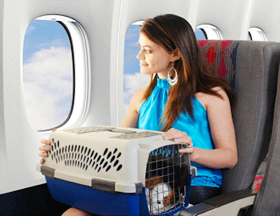
In the cabin (PETC)
Most airlines allow cats in the cabin if the animal and carrier together weigh no more than 8 kg (10 kg with some carriers). The carrier must fit under the seat in front of you — a typical limit is about 55×40×20 cm. A spot for the pet must be booked in advance, as the number of animals in the cabin is limited.
In the cargo hold (AVIH)
Heavier cats fly in the heated and ventilated cargo hold. An IATA-compliant rigid carrier is required: the animal must be able to stand, turn around and lie down; a water container attached inside; a securely fastened door. Some airlines seasonally restrict hold transport in very high or low temperatures.
Required documents
- veterinary passport with a valid rabies vaccination;
- ISO-standard microchip;
- for international flights — a health certificate and, if required, a rabies antibody titre test (depends on the country).
Preparing your cat for the flight
Get your cat used to the carrier a few weeks ahead: leave it open at home with a favourite blanket. On flight day, do not feed the cat 4–6 hours before departure; offer water until check-in. Use sedatives only after consulting a vet — many airlines forbid them.
Prefer to leave it to professionals?
The Animal Trips pet transport by plane service includes booking the pet spot, an IATA carrier, a full document package and airport assistance. See also unaccompanied cargo shipping and the article on EU pet travel documents.